

Land, population and social obligations behind cattle decline
June 17, 2026 11:05 pm | Posted in Business News | Share now TwitterFacebook
By Anita Roberts.
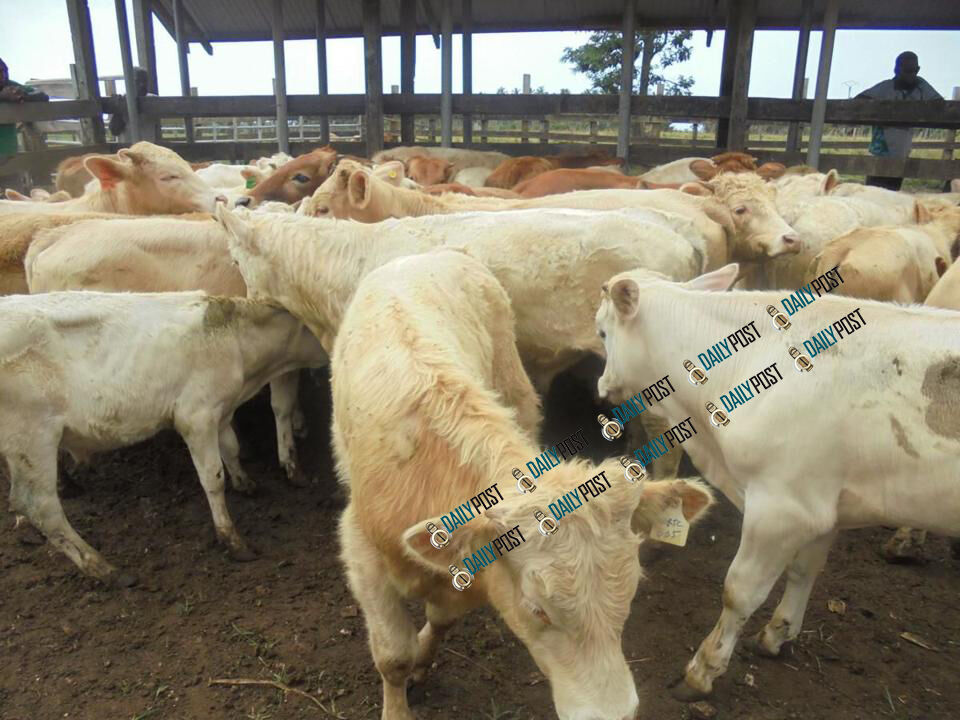
Manager for the Northern Livestock Division, Steve Boe, told the parliamentary Standing Committee on Economic and Foreign Policies (CEFP) yesterday that responsibility for the decline in cattle numbers in Vanuatu is shared, and does not rest solely with the Department of Livestock or farmers.
He said several factors have contributed to the decline, from a herd of nearly 3,000 cattle in the 1990s to almost half that number today.
These include grazing land being converted into subdivisions and other developments, as well as ongoing land disputes.
He also pointed to population growth and social obligations, noting that cattle are often slaughtered during cultural feasts such as weddings, funerals, bride price payments, chiefly title promotions and circumcisions.
“As the population grows, more birthdays and weddings lead to increased slaughter of cattle. Cattle do not grow and reproduce overnight; it takes time. About half of our population do not raise cattle, and it is hard to compete with many mouths ready to eat,” he said.
He said the current generation is also less involved in cattle farming, with many plantations no longer maintained and now overgrown.
“The current cattle plantations do not belong to the younger generation but to their fathers or grandfathers. Go to the islands and you will see plantations covered in bush,” he said.
Questions were also raised about progress of the cattle restocking programme, a major government policy introduced between 2015 and mid-2018, before the European Development Fund (EDF 11) took over.
Boe said there have been positive outcomes from the programme but stressed it should target large-scale farmers rather than smallholders.
“Anytime there is a death, a small farmer will slaughter cattle for ceremonies, making it difficult for their herds to grow. Large farmers focus on growing their herds and can then support small farmers.
“A subsistence farmer has many responsibilities, from gardening to fishing,” he said.
“The programme is good, but beneficiaries do not manage it well.”
The senior livestock officer said during yesterday’s CEFP public hearing that political interference has also affected the programme.
The restocking programme aimed to increase cattle numbers among small-scale farmers to 500,000 by 2025 but did not meet the target.
Under the programme, participating farmers were required to return the same number of cattle they received within five years, to be redistributed to other farmers as part of the programme’s sustainability model.
Deputy Director of Operations at the Ministry of Agriculture, Livestock, Forestry and Biosecurity (MALFB), Nambo Moses, told the committee that when officials followed up on offspring numbers, they were told cattle had been slaughtered for ceremonies such as weddings.
“This disrupts the programme, so there is a change in policy,” he said.