

Fuel shipment arrives despite rising Iran–US war fears
April 16, 2026 9:37 pm | Posted in Business News | Share now TwitterFacebook
By Doddy Morris.
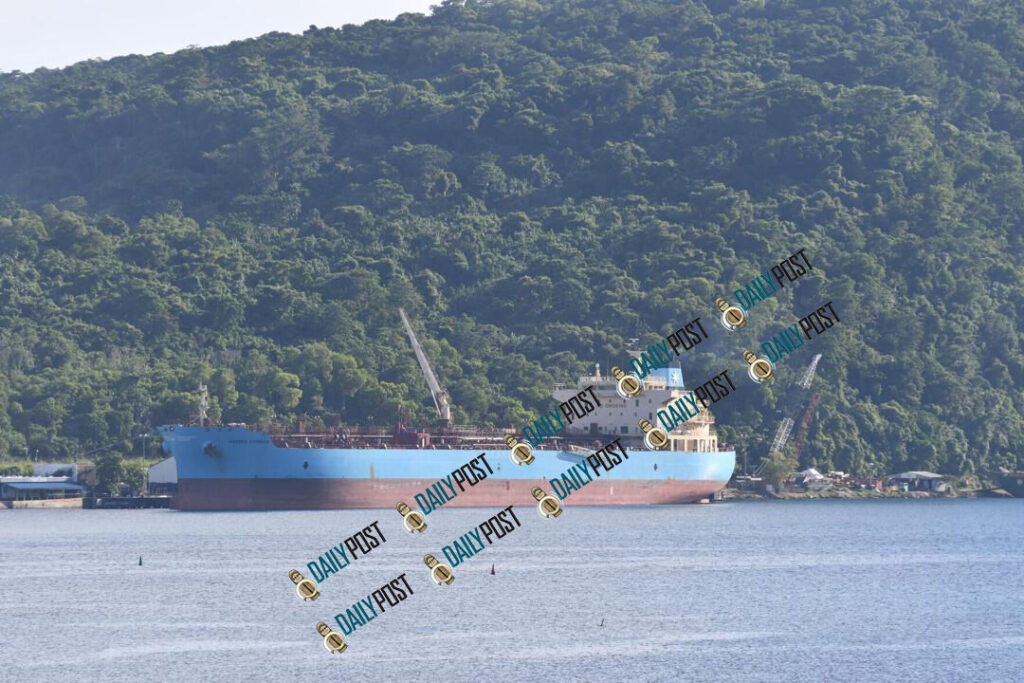
The Government of Vanuatu announced yesterday via its official Facebook page that the country’s scheduled fuel shipment has arrived and is now sailing into Port Vila, amid continued public interest in fuel supply stability and pricing.
While the announcement confirmed the routine arrival of fuel under the country’s import schedule, attention has shifted to comments from former Member of Parliament (MP) Christophe Emelee, who provided a broader assessment of the situation.
Emelee said the arrival of fuel tankers should be viewed as a sign of stability in Vanuatu’s fuel supply chain, noting that there is currently no indication of an immediate shortage.
He explained that fuel supply in Vanuatu operates through a series of scheduled tanker deliveries throughout the year rather than a single bulk shipment, with annual national demand estimated between 60 and 100 million litres.
“These shipments are part of a regular import system that supplies Vanuatu with its annual fuel requirements,” he said.
Emelee also highlighted that tanker vessels servicing Vanuatu often operate on regional routes, supplying multiple Pacific island countries, which means fuel is delivered in cycles rather than stored long-term.
However, the former MP stressed that while supply remains stable, fuel pricing is subject to external global pressures.
He pointed to international oil prices, freight and shipping costs, insurance rates, and wider global market conditions as key factors influencing fuel prices in Vanuatu.
“Even when supply remains uninterrupted, the cost of fuel may still increase or adjust significantly at the time of the next delivery cycle,” he said.
Emelee added that this situation reflects normal global fuel market dynamics, particularly for island economies that are highly exposed to external cost fluctuations.
He further emphasised the need for stronger strategic planning in fuel management, saying that supply stability alone is not enough without preparedness for price volatility.
According to him, a structured approach to fuel resilience would help better manage future price changes and reduce the impact on households, transport, and essential goods.
Fuel Shipment Arrives Despite Rising Iran–US War Fears
The Government of Vanuatu announced yesterday via its official Facebook page that the country’s scheduled fuel shipment has arrived and is now sailing into Port Vila, amid continued public interest in fuel supply stability and pricing.
While the announcement confirmed the routine arrival of fuel under the country’s import schedule, attention has shifted to comments from former Member of Parliament Christophe Emelee, who provided a broader assessment of the situation.
Emelee said the arrival of fuel tankers should be viewed as a sign of stability in Vanuatu’s fuel supply chain, noting that there is currently no indication of an immediate shortage.
He explained that fuel supply in Vanuatu operates through a series of scheduled tanker deliveries throughout the year rather than a single bulk shipment, with annual national demand estimated between 60 and 100 million litres.
“These shipments are part of a regular import system that supplies Vanuatu with its annual fuel requirements,” he said.
Emelee also highlighted that tanker vessels servicing Vanuatu often operate on regional routes, supplying multiple Pacific island countries, which means fuel is delivered in cycles rather than stored long-term.
However, the former MP stressed that while supply remains stable, fuel pricing is subject to external global pressures.
He pointed to international oil prices, freight and shipping costs, insurance rates, and wider global market conditions as key factors influencing fuel prices in Vanuatu.
“Even when supply remains uninterrupted, the cost of fuel may still increase or adjust significantly at the time of the next delivery cycle,” he said.
Emelee added that this situation reflects normal global fuel market dynamics, particularly for island economies that are highly exposed to external cost fluctuations.
He further emphasised the need for stronger strategic planning in fuel management, saying that supply stability alone is not enough without preparedness for price volatility.
According to him, a structured approach to fuel resilience would help better manage future price changes and reduce the impact on households, transport, and essential goods.
How Vanuatu gets its fuel
Vanuatu is fully dependent on imported petroleum products, as it has no domestic oil production or refining capacity. All fuel used in the country is brought in by sea from overseas suppliers, mainly through regional supply hubs such as Singapore and Australia.
Fuel arrives in Port Vila and Luganville via tanker ships as part of a regional Pacific shipping network. In many cases, large vessels distribute fuel across several island nations on the same route, making supply part of a broader cycle rather than direct single-country shipments.
Once delivered, fuel is stored in terminal tanks in Port Vila before being distributed to petrol stations, electricity providers, aviation users, and other consumers across the country.
The system is managed through a central import and distribution structure involving major fuel operators, ensuring nationwide supply despite Vanuatu’s geographic isolation and limited storage capacity.
Because of this setup, Vanuatu operates on a “just-in-time” fuel system, meaning shipments arrive regularly throughout the year rather than being stockpiled in large reserves.
The fuel shipment that arrived in Port Vila was carried by the Maersk Corsica, which reached Vanuatu after departing Papeete, French Polynesia on April 7, 2026. The voyage took approximately nine days before arrival in Port Vila.
Prior to reaching Vanuatu, the vessel had been operating across multiple South Pacific ports as part of its regional distribution route.
Its recent port history shows it called at Port Vila on April 15, 2026, after earlier stops in Papeete, Suva, and Vuda Point in Fiji.
In Papeete, the vessel arrived on April 5, 2026, staying for around one day and 15 hours. Before that, it had visited Suva on March 27 and Vuda Point on March 25, where it stayed for short operational periods.
The ship’s movements indicate it has been actively servicing Pacific island fuel routes over recent weeks.
Before entering its current South Pacific circuit, the Maersk Corsica was operating in Southeast Asia, with earlier departures from Singapore and Tanjung Pelepas, Malaysia, in early March.