

ADB, Japan visit VIT to advance VT2.3B skills project
March 19, 2026 11:14 pm | Posted in Business News | Share now TwitterFacebook
By Nicholas Mwai.
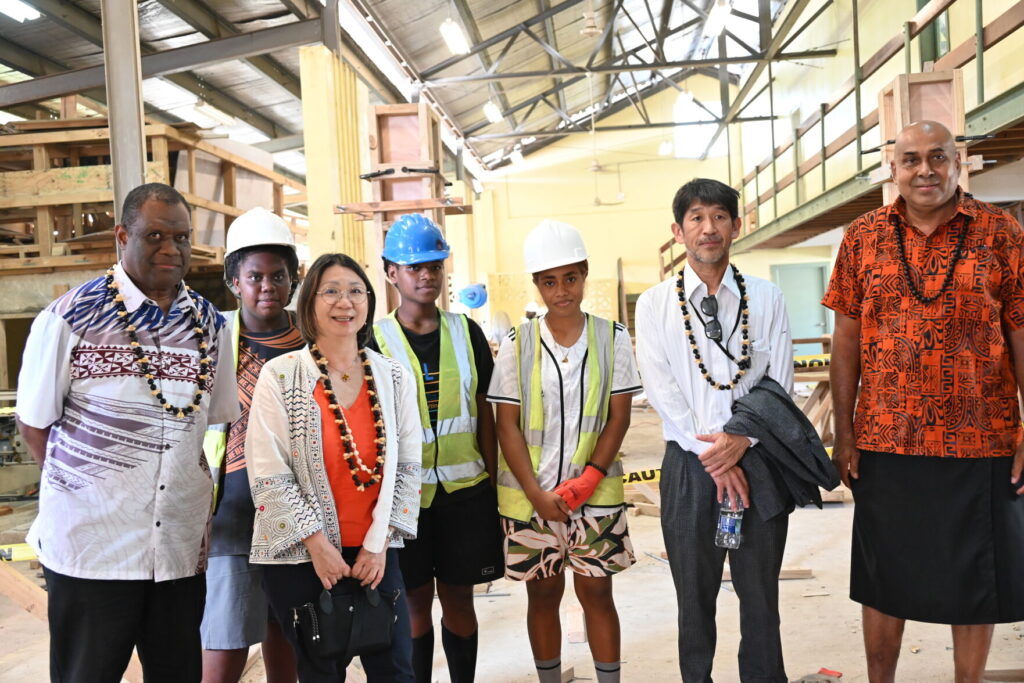
A major skills development initiative valued at approximately VT2.3 billion has taken a step forward following a visit from the Asian Development Bank (ADB) and the Government of Japan to the Vanuatu Institute of Technology (VIT) yesterday.
The visit, hosted by the Ministry of Education and Training, focused on the rollout of the Supporting the Delivery of Skills Development Project, which began in December 2024 and aims to strengthen Vanuatu’s technical and vocational education system.
Senior Director for Human and Social Development at ADB, Ayako Inagaki, said the project reflects a strong collaboration to support innovative practices and long-term development in the region.
“This is a very important partnership, especially with the Government of Japan, supporting innovative practices and helping deliver meaningful development outcomes,” she said.
The project comes as Vanuatu continues to face critical skills shortages affecting key sectors such as tourism, construction and business services. According to industry data, a majority of businesses struggle to find qualified workers, while education pathways remain limited for many young people.
Director of Tertiary Education, John Kaltau, said the initiative is aimed at transforming opportunities for youth and addressing long-standing gaps in the system.
“Vanuatu faces a critical shortage of skills across both public and private sectors. This project is very important because it can help transform our young people and improve employment outcomes,” he said.
He added that the programme is designed to deliver a more inclusive and responsive training system, with a strong focus on quality education, industry-relevant skills, and better access for women and people with disabilities.
At the institutional level, VIT is already aligning its programmes to reflect the realities of the country’s education pipeline. VIT Principal Wade Evans said many students exit the formal education system early, making it essential for training providers to adapt.
“Our system must reflect the reality that many students leave school after Year 10. We cannot rely on a narrow academic pipeline. We must build flexible pathways that allow people to progress step by step,” he said.
He stressed that technical education should be designed as a progression system rather than a barrier.
“We must build staircases, not cliffs, so that every learner has a pathway to continue developing skills and accessing opportunities,” Evans added.
The project will support the development of new qualifications, including certificate and diploma programmes aligned with industry demand, while also upgrading infrastructure and facilities across VIT campuses.
Plans include more inclusive and climate-resilient learning environments, improved equipment, and expanded access to training.
The initiative will also strengthen links between training and employment by working closely with industry partners and supporting targeted programmes for youth, women, and persons with disabilities.
The partnership between Vanuatu, ADB, and Japan is expected to play a critical role in improving education pathways, boosting employment opportunities, and supporting long-term economic growth across the country.