

TRBR consults stakeholders on 5-year strategic plan
September 3, 2026 11:08 pm | Posted in Business News | Share now TwitterFacebook
By Ezra Toara.
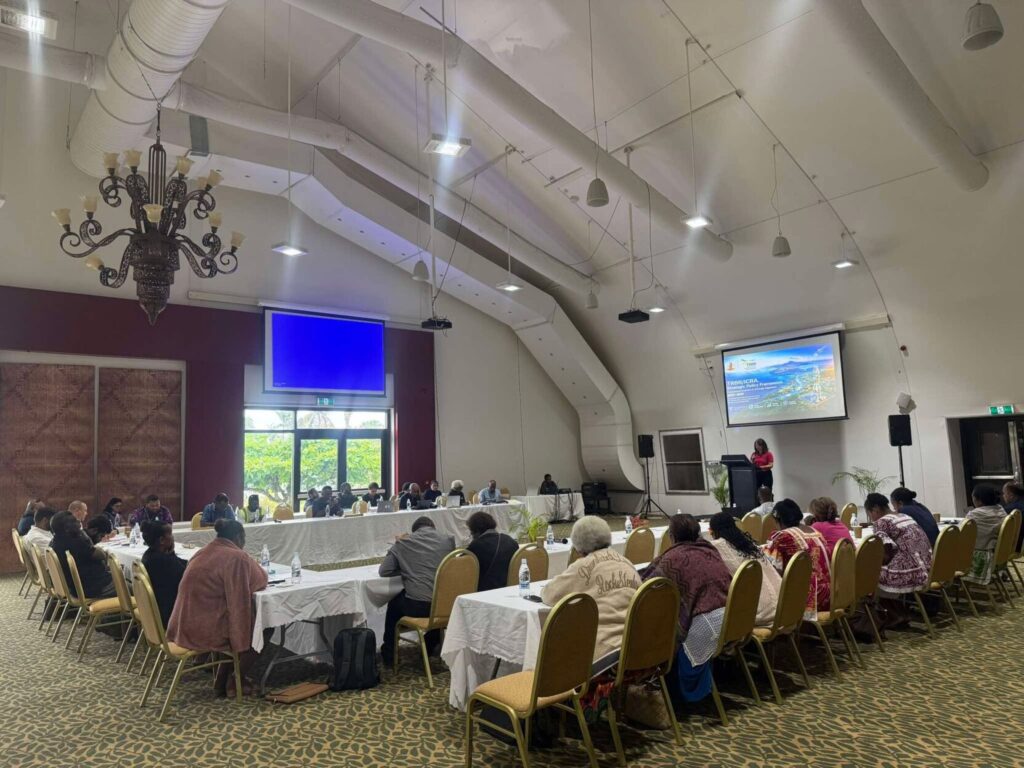
The Telecommunications, Radiocommunications and Broadcasting Regulator (TRBR) is consulting key stakeholders as it develops a new five-year strategic plan aimed at guiding the regulator’s work across Vanuatu’s communications and broadcasting sectors.
The consultation is being carried out through a strategic plan consultation workshop bringing together representatives from the telecommunications, internet, broadcasting and government sectors.
TRBR Regulator Jesse Benjamin said the plan is important because TRBR wanted to ensure that its strategic direction was inclusive and relevant to the needs of the different stakeholders involved in providing and implementing communications and broadcasting services.
He said the consultation process provides an opportunity for stakeholders to contribute their views, priorities and existing plans to help shape the regulator’s direction for the coming five years.
He said bringing the different players together would allow TRBR to better understand the priorities and challenges facing the various sectors while ensuring that the strategic plan reflects the realities of the communications and broadcasting industry.
The workshop includes representatives from telecommunications operators, including Digicel, Vodafone, Wantok and 3LINK, as well as other internet service providers.
Broadcasters from the television and radio sectors are also taking part, alongside government stakeholders.
According to Benjamin, the involvement of these stakeholders is important because the communications and broadcasting sectors are interconnected, with developments in one area often affecting other parts of the industry.
He said the consultation would also help ensure that TRBR’s strategic direction is supportive of and aligned with Government policies.
The new strategic plan will cover the next five years, following the completion of the regulator’s previous five-year strategy.
Benjamin said it was therefore important for TRBR to look ahead and establish a new set of priorities and targets for the next period.
He said the consultation is not only about looking at what TRBR wants to achieve in the future, but also assessing the progress made under the previous strategic plan.
The new strategy is being built around five major themes which will serve as key pillars for TRBR’s work
These include modernising governance and regulation; infrastructure resilience and hybrid connectivity; market dynamics and spectrum evolution; digital trust, safety and consumer protection; and universal access and community inclusion.
Benjamin said these five areas represent the major areas in which TRBR intends to focus its work over the coming five years.
He described them as the key pillars and major areas where TRBR will concentrate its efforts as it implements the new strategic plan.
Under the governance and regulatory theme, TRBR will look at the need to modernise its regulatory approach to respond to changes taking place within the communications and broadcasting sectors.
The infrastructure resilience and hybrid connectivity pillar focuses on the importance of reliable infrastructure and connectivity, particularly as Vanuatu continues to depend on communications services for businesses, communities, government services and everyday activities.
Another major area is market dynamics and spectrum evolution, reflecting the changing nature of the communications market and the need for effective management of spectrum as technology and services continue to develop.
Digital trust, safety and consumer protection will also form part of the new strategy, with the regulator looking at issues surrounding the safety and protection of consumers in an increasingly digital environment.
The fifth pillar, universal access and community inclusion, focuses on ensuring that communications services are accessible and inclusive, including for communities that may face difficulties accessing modern communications services.
Benjamin said the five areas are currently at different levels of achievement, meaning TRBR will need to assess each area carefully when setting its targets for the next five years.
He said the strategic planning process would allow the regulator to establish a clear picture of what has already been achieved, where TRBR currently stands and where it wants to be in the future.
“These are the pillars or the big ideas in the different areas that we are putting our work on, which makes it easier for us to implement,” he said.
Benjamin said the process would involve looking back at the achievements of the previous five-year period before determining the priorities and targets for the new strategy.
“We want to set it up for the next five years so that we can see basically what we have achieved in the past, where we are now, and what we want to see in the possible future, which is our target,” he said.
He said stakeholder participation is an important part of this process because TRBR does not operate independently of the sectors it regulates.
The telecommunications operators, internet service providers, broadcasters and government agencies all play different roles in the communications environment, and their input can help TRBR develop a strategy that reflects the needs of the industry and the wider community.
The consultation also comes as communications technology continues to change rapidly, creating new opportunities while presenting regulators with new challenges around infrastructure, market development, spectrum management, digital safety, consumer protection and access.