
No direct Gov’t investment in kava: Dr Lebot
October 9, 2025 10:19 pm | Posted in Business News | Share now TwitterFacebook
By Hilaire Bule.
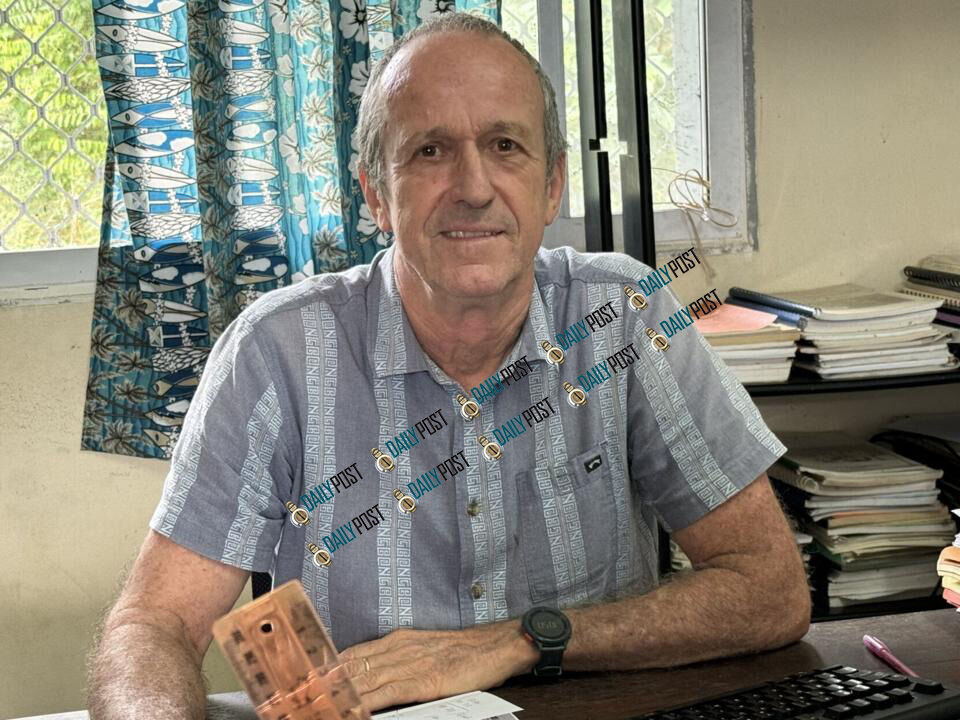
Dr Vincent Lebot, who has dedicated his life to researching Vanuatu’s agricultural products, says there is no direct government investment in kava, with most investments coming from the private sector and external donors. Yet kava remains by far the country’s most important crop.
He made this remark when he addressed the Forum on Commercial Commodity in Luganville, Santo, on Wednesday, focusing on the threats to sustainable kava production.
The scientist said low production and productivity, infected planting material, high post-harvest losses, and weak research and development continue to affect the kava industry.
He told the forum that low production and productivity have resulted from current high prices, which are encouraging other kava-producing countries to benefit from Vanuatu’s markets.
“Poor quality and immature kava are discouraging partners. Price and quality are the two bottlenecks to the development of new markets. Traditional systems use infected planting material, leading to poor yield and poor quality. The spread of pests and diseases is causing non-sustainable production,” Dr Lebot said.
He said Vanuatu is currently experiencing post-harvest practices that lead to a high-value crop but low returns for farmers, and production and supply are not keeping up with increasing demand.
Dr Lebot said poor quality has resulted in mouldy end products, unpeeled stumps with skin still attached, and kava chips being brushed to remove mould before export.
Dr Lebot proposed that priority actions be taken, including developing new cropping systems, sanitising planting material, introducing new shipping containers, and producing new value-added kava products.
He said kava is a sterile plant that cannot produce seeds, making it genetically vulnerable.
“Kava cannot adapt to climate change. Cropping systems must adapt instead. Planting material needs to be sanitised using one-node cuttings to reduce post-harvest losses. The local market can focus on fresh kava, while the export market should target dried roots with high kavalactone content,” he said.
On the issue of hygiene, Dr Lebot explained that although kava is a food, there are no microorganisms that pose a health hazard—no bacteria, no parasites, and no harmful substances derived from microorganisms.
He said financial resources are needed to preserve local germplasm and sanitise planting material.
Dr Lebot reminded the forum that legal frameworks such as the Kava Act and Codex are already in place, so there is no need to overregulate private-sector-led research.
He added that there are ongoing initiatives to develop new products, and the Government should prioritise efforts to lift the European Union ban and restore kava’s reputation.
Dr Lebot urged the forum to use political will or consider filing a complaint with the World Trade Organisation (WTO).