

Gov’t to modernise land system, boost revenue and investment
June 23, 2025 10:17 pm | Posted in Business News | Share now TwitterFacebook
By Doddy Morris.
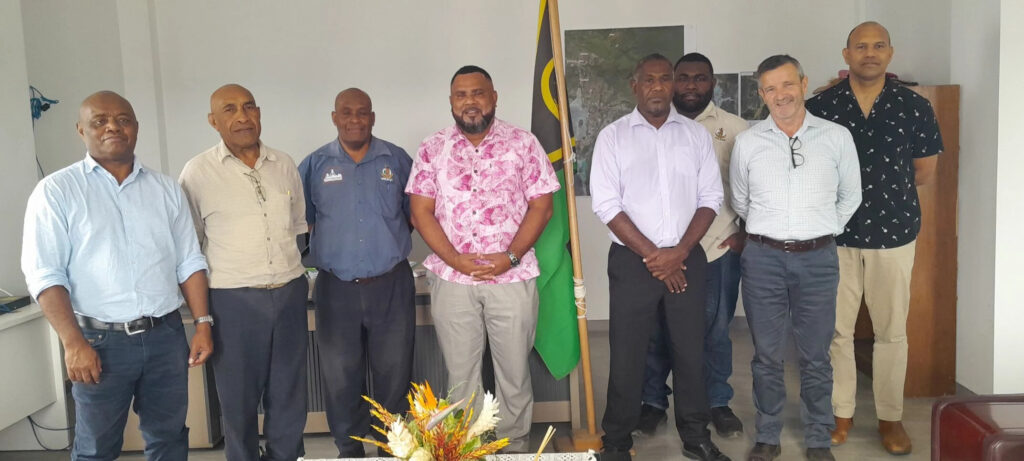
The Government of Vanuatu is set to roll out sweeping reforms to modernise its land administration system, improve revenue collection, and lay the foundation for inclusive economic development.
According to information provided to the Daily Post by the Vanuatu Affordable and Resilient Settlements (VARS) Project within the Ministry of Lands and Natural Resources (MoLNR), the reforms will be implemented in stages starting from mid-2025. The initiative is backed by the World Bank and endorsed by the Council of Ministers (COM).
At the heart of the reform is the creation of a fully digital and integrated Land Management Information System (LMIS), which will replace the country’s outdated and fragmented land records. This will streamline lease registration, improve transparency, and speed up service delivery.
The reform package also includes plans to build a new, resilient headquarters for the MoLNR, upgrade geospatial and surveying tools, and digitise existing land documents. These upgrades aim to protect legal certainty and improve land use planning across the country.
In parallel, the Ministry has launched a 100-day Revenue Collection Plan to boost land rent recovery. This includes a clean-up of existing data, enforcement against top defaulters, and the development of new incentives and penalties to encourage payment. Awareness campaigns and a proposed online payment system are also part of the effort to make compliance easier. The Ministry expects these measures could increase its revenue by up to 25 times over time.
As part of its broader reform ambitions, the Government is also considering the introduction of a Land Bank model, similar to one used successfully in Fiji. A 10-member Task Force, endorsed by the COM, will travel to Fiji in August 2025 to explore how the model could be adapted to suit Vanuatu. The goal is to unlock idle customary land for productive use, support the Government’s Public Private Partnership (PPP) policy, and attract investment in housing, agriculture, and tourism—while ensuring landowner rights are protected.
Minister of Lands and Natural Resources, Rick Tchamako Mahe, described the reforms as both urgent and transformational.
“We are building a land governance system that is fair, transparent, and responsive to the needs of our people,” he said. “These reforms will empower landowners, attract investment, and strengthen our institutional foundations for decades to come.”
The MoLNR’s reform programme has been shaped through broad consultations with stakeholders including the Ministry of Finance, the State Law Office, civil society organisations, and development partners. Progress will be monitored each year using key performance indicators covering digital transformation, revenue growth, capacity building, and policy updates.