

South Sea Cargo charges VT10,000 per ‘parachute bag’ of kava
August 24, 2026 11:21 pm | Posted in Business News | Share now TwitterFacebook
By Ezra Toara.
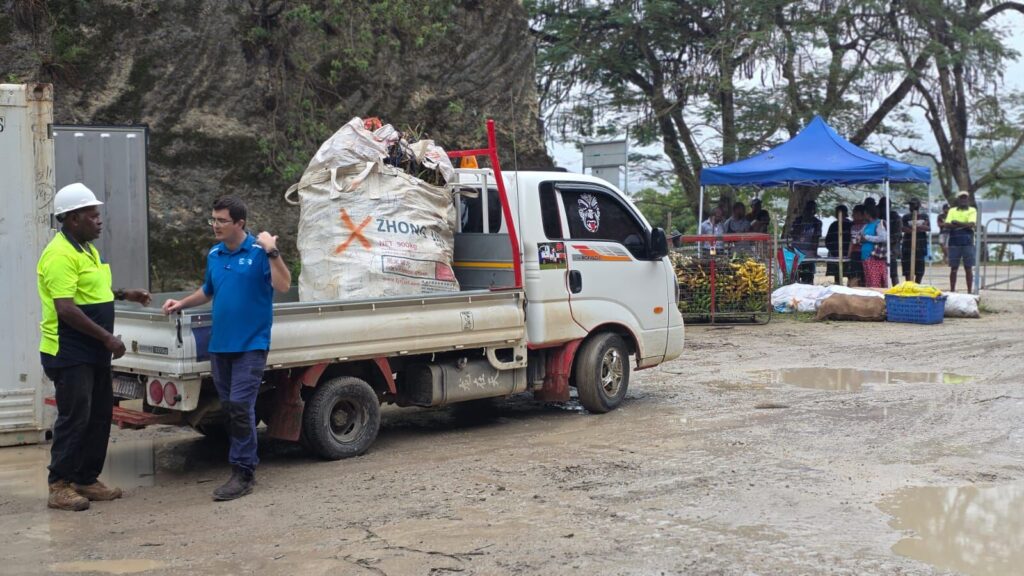
South Sea Cargo (SSC) says farmers can transport a large bag of kava from the islands to Port Vila for VT10,000, following concerns raised about sea freight costs.
SSC National Operations Manager Wotlolan Lobu said the company charges VT10,000 for a large ‘parachute’ or sling bag of kava, compared with freight costs of up to VT40,000 per bag reported by some farmers using other shipping services.
Lobu said SSC does not charge for the bags based on weight, provided the kava is packed in the large parachute-style bag commonly used by farmers to transport their produce.
“As long as it is a parachute bag, we charge VT10,000 for the freight,” he said.
He said the bags can weigh approximately 200 to 300 kilograms, with the largest bags falling under the VT10,000 freight rate.
SSC’s freight charges are:
- Large parachute bag (sling): VT10,000
- Medium bag: VT7,500
- Small bag (government bag): VT3,750
Lobu said the company operates two voyages each month, with its vessel departing Port Vila every second Sunday, before departing Santo the following Wednesday and Malekula on Thursday.
“Basically, we have about two voyages in one month,” he said.
However, Lobu acknowledged that SSC’s schedule is less frequent than some other shipping services, with vessels such as the Vanuatu Ferry operating weekly.
“The only thing about South Sea Cargo is that we leave Port Vila only two times in a month, whereas other ships, including Vanuatu Ferry, operate weekly,” he said.
Lobu said the company wanted to clarify its freight rates so farmers and the public were aware that more affordable transportation options were available.
He said the aim was to provide some relief to farmers who depend on kava production and sales for their livelihoods.
“Kava has benefited many people, including helping families pay school fees and meet many other expenses,” he said.
Lobu said farmers in areas with limited road access and scarce transportation options could be particularly affected when the movement of kava becomes difficult or too expensive.
He said SSC wanted people to know that affordable freight options were available.
“We want people and farmers to know that there is help out there and there is a solution, rather than being held back by the same route,” Lobu said.
SSC said it also takes measures to protect kava and other perishable cargo during transportation.
The company said kava slings are stowed inside 20-foot containers, where they are protected from direct sunlight, rain, seawater, salt, dust and possible contamination from engine oil or fuel.
According to SSC, the storage arrangement also allows for good air circulation, helping kava and other perishable goods remain in good condition throughout the voyage.
The clarification comes after farmers raised concerns about kava supply in Port Vila and the high cost of transporting the commodity to the capital.
A Daily Post article published over the weekend of August 22, 2026, reported one farmer saying that since June 6, he had sent 20 parachute bags of kava to Port Vila but had decided to stop sending his produce until the Government provided assistance to address sea transport costs.
The farmer also said he had approached the Port Vila City Council (PVCC) about the possibility of establishing a space where kava farmers could sell their produce at lower rental rates than those charged at the Anamburu Kava Market.
He said that if the Government could not intervene to address transportation costs, the PVCC and the SHEFA Provincial Government Council (SPGC) should consider reducing market fees through the establishment of another kava market.
The farmer said a parachute bag of kava at the Anamburu Kava Market costs about VT35,000, while shipping one bag from Santo to Port Vila can cost approximately VT40,000.
Lobu said SSC’s clarification was intended to inform farmers that lower freight rates were available, although the company’s service operates only twice a month.