

Port Vila bus fares more than 20 years out of date
March 17, 2026 10:05 pm | Posted in Business News | Share now TwitterFacebook
By Doddy Morris.
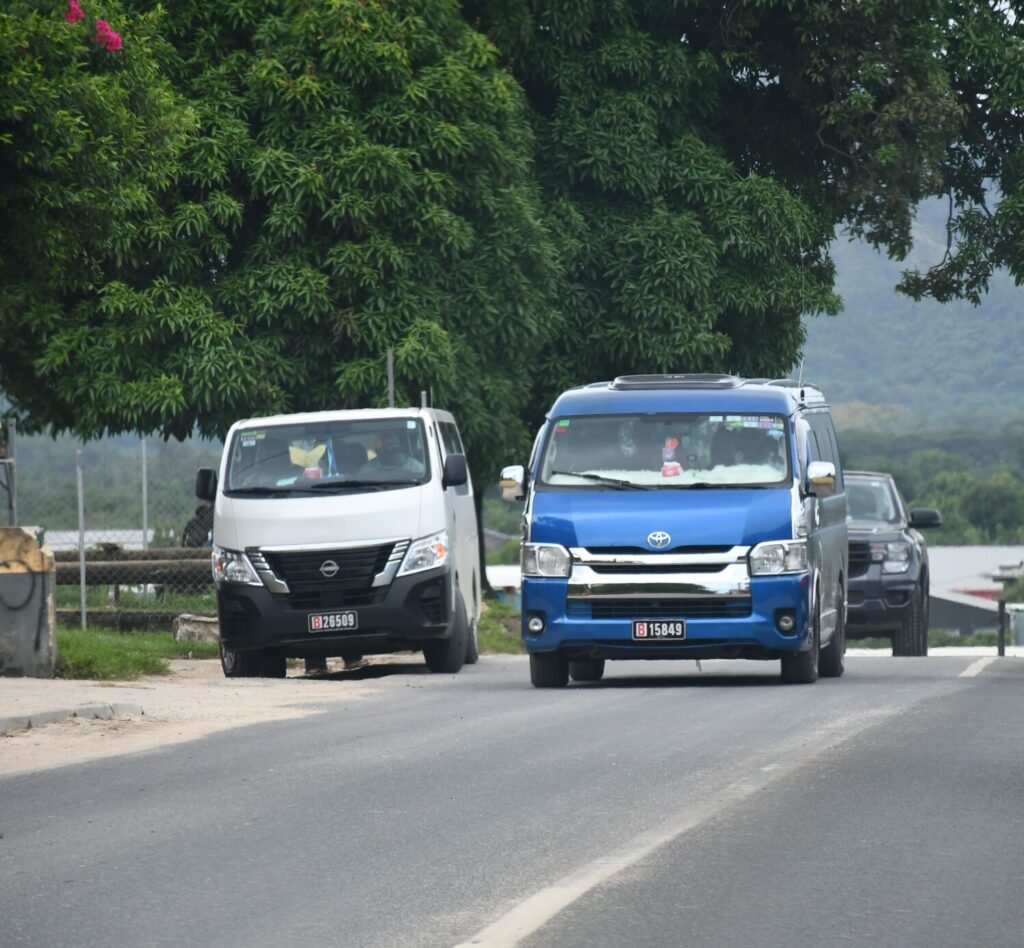
Bus fares for adults in Port Vila have remained largely unchanged since the early 1990s, despite more than two decades of rising operational costs in the transport sector.
This has been highlighted by the Public Land Transport Authority (PLTA) as it continues awareness activities on proposed bus and taxi fare adjustments, following consultations held last week with executives of the SHEFA Port Vila Public Land Transport Association.
PLTA said current fares, which have been in place for over 20 years, no longer reflect the realities faced by bus operators today.
Increasing costs such as fuel, spare parts, insurance, road taxes and loan repayments—often with high interest rates—are placing significant pressure on operators.
The authority said that the cost of purchasing a bus has now risen to between VT4 million and VT5 million, while spare parts remain expensive.
Poor road conditions are also adding to the burden, with buses frequently requiring maintenance and repairs, sometimes spending one to two periods in the garage each year.
The increasing cost of living is further impacting the sector, as bus owners are forced to increase wages to retain drivers.
Many experienced drivers are also leaving to work overseas under seasonal employment schemes, creating additional challenges locally.
PLTA also pointed out that Vanuatu currently does not have a legally approved tariff structure for public transport, resulting in inconsistent fares being charged for the same distance.
During the awareness discussions, some residents suggested introducing a flat fare of VT200 within town.
However, the PLTA explained that survey results showed this would be unfair for short-distance travel.
For example, a passenger travelling a short distance within town would pay the same as someone travelling a much longer route, which does not reflect the difference in distance.
The authority indicated that adjustments may instead focus on distances beyond five kilometres, noting that commuters in areas between 5km and 10km from town are already paying between VT150 and VT200.
Concerns were also raised about the impact of fare increases on students. In response, the PLTA confirmed that there will be no significant increase for students travelling distances of up to 10 kilometres.
Students are grouped into three categories: tertiary and vocational, secondary, and primary.
As part of preparations, PLTA has sent letters to schools requesting the issuance of student identification cards to support the new fare structure.
Despite demand, Efate continues to face a shortage of buses, partly due to high maintenance costs and the increasing price of vehicles, which limits the number of buses operating consistently.