

Kava shortage in capital linked to holiday travel and logistics challenges
January 5, 2026 11:05 pm | Posted in Business News | Share now TwitterFacebook
By Nicholas Mwai.
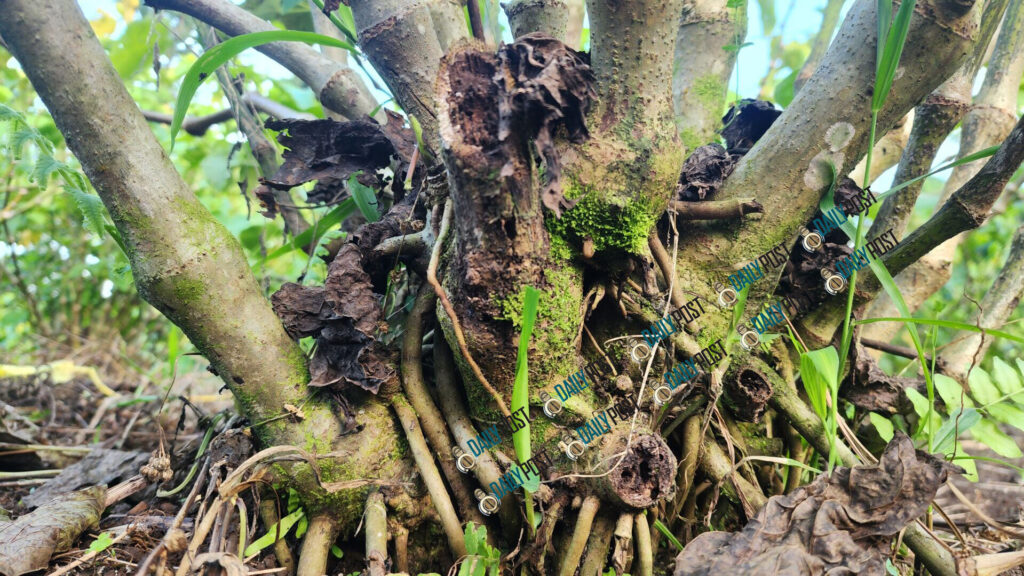
Port Vila’s kava shortage during the Christmas and New Year season is not only due to limited supply from farmers but also to holiday travel, slow production cycles, and transport challenges from the outer islands.
Chief Theodore Damana, owner of the Kava Dock market at Anamburu opposite Emil and President of the Port Vila Council of Chiefs, said sales in the capital dropped noticeably as many sellers returned home to celebrate with their families.
“Kava sales last Christmas have gone down. It’s not because farmers don’t have kava, but because many sellers went back to their islands for the holidays,” Chief Damana said. “That’s what I’ve seen during this festive season.”
He explained that kava is a long-term crop and cannot quickly respond to sudden increases in demand. Once harvested, farmers must replant and wait between two-and-a-half to four years before the crop is ready again.
“Kava grows slowly and demand is high. It’s not a short-term project,” he said.
Most of the kava sold in Port Vila comes from the northern islands, particularly Santo, Malekula, and Pentecost. When supply from these islands drops, rural Efate farmers usually fill the gap, but this has not happened significantly this season.
“What also contributes is that people in rural Efate don’t plant enough kava,” he said. “When supply from the north is low, it’s their chance to harvest and come and sell, but only a few have done so.”
Transport and infrastructure remain major barriers for farmers. Damana said kava often grows best in cooler, hilly areas far from main roads and coastal shipping points, making it difficult and costly to move to Port Vila.
“There is kava in the islands, but the roads make it too hard for farmers to harvest, walk long distances, and then find transport to the seashore to put it on a ship,” he said. “I’ve been speaking with sellers and they say it’s very hard to transport kava.”
Rising prices for dried kava, particularly in the north, have also affected supply. Higher prices encourage farmers to sun-dry their harvest and sell locally rather than transport green kava to Port Vila.
“When the price of dried kava increases, farmers prefer to dry it and sell it at a good price instead of bringing green kava to Port Vila,” he said.
Despite high demand during the festive season, prices at his market remained fixed at VT1,000 per kilogram, unlike other markets where prices rise with demand.
“In my market, all sellers sell at VT1,000 per kilo. If you want to sell at a higher price, you find another market,” Damana said. “In other places, prices can go up to VT1,200, VT1,300 or even VT1,500 when demand is high.”
Even at VT1,000 per kilogram, farmers and sellers can earn between VT200,000 and VT400,000 per day. Damana said keeping prices stable during the festive season protects regular customers, many of whom rely on kava sales for their livelihoods.
“They are our main customers and they also make a living selling kava juice,” he said. “If we lift the price, they will lift the juice price, and that will affect all of us.”
Limited air transport provided only short-term relief. Charter flights from South Pentecost during the festive season brought in between 200 and 400 kilograms per flight, but the supply did not last long.
“That amount cannot even last a week,” Damana said, adding that similar supply challenges are being faced in Santo and Malekula.
As demand for kava continues to grow, Chief Damana said long-term solutions will depend on increased planting, improved rural infrastructure, and better transport links from the islands to Port Vila.