

VIT graduate turns climate training into thriving village eco-tourism
December 3, 2025 9:36 pm | Posted in Business News | Share now TwitterFacebook
By Nicholas Mwai.
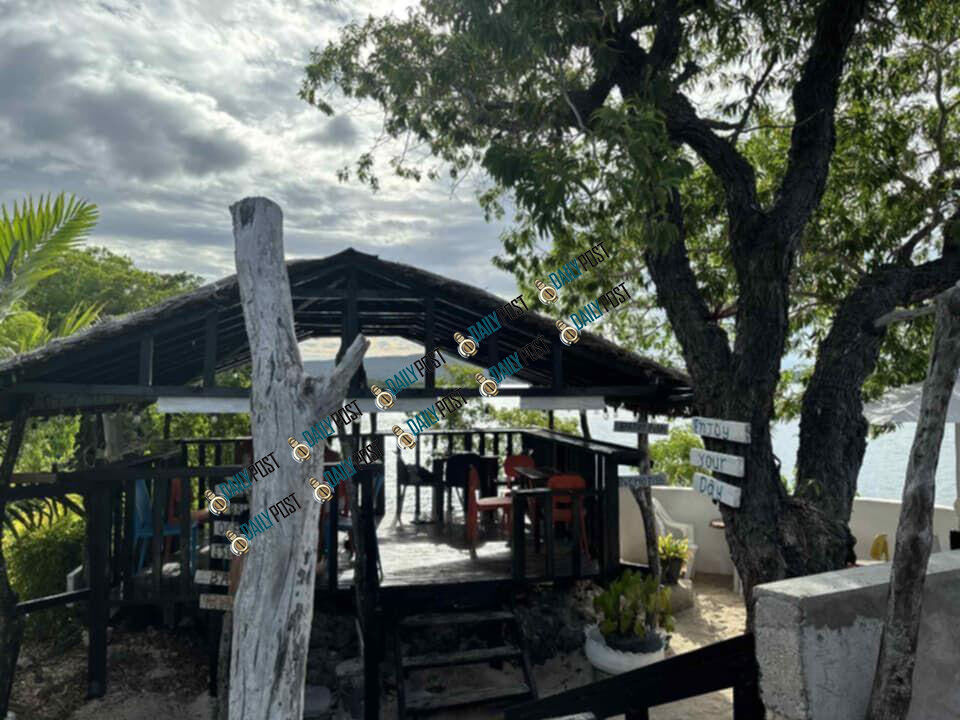
A pioneering graduate of the Vanuatu Institute of Technology (VIT) Climate Change and Disaster Risk Reduction (DRR) program has transformed his studies into a successful community-led eco-tourism initiative benefiting his home village of Saama on North-East Efate.
Charlie John, founder of Top Rock Visit and Point Lookout, was among the first students to enrol in the Climate Change and DRR course when it was introduced at VIT in 2017. He completed the six-month program and says the skills and knowledge gained have shaped both his personal development and his contribution to environmental protection in Saama. “I’m one of the first intake of Climate Change DRR which was introduced in 2017,” he said. “Before I went to study at VIT, I already had a lot of interest in the environment and the marine sector.”
Before enrolling at VIT, John was involved in local conservation groups, serving as secretary of the Tasi Vanua Environment Network, which supports environmental awareness and conservation across North-East Efate.
“Tasi Vanua is a language name meaning land and sea,” he explained. “It motivated me and showed the importance of preserving both land and marine environments.”
John said his business actually began before his formal studies, but VIT helped lift his work to a higher standard. “After the course at VIT, it helped me a lot and brought up my knowledge in things I didn’t know before. I learned how to engage myself more and build up, especially in the field of environmental work,” he said.
As chairman of Saama Village Council two years ago, John initiated discussions with the village chief on creating a marine conservation area that could support both environmental sustainability and community livelihoods. With support from SHEFA Province, Fisheries and other stakeholders, the villagers established a conservation zone along with a management plan to guide its protection.
“The context was to put a conservation area in place and see how it can benefit the community and livelihoods inside the village,” John said.
That idea has now grown into a tourism attraction where visitors can snorkel and experience the protected reef and marine life.
“Today we have a small tourism business where tourists can snorkel and see what is in the conservation area,” he explained. “It is not something I did alone. I brought families in the village to help grow the business to where it is now, and the benefits are going back to the village of Saama.”
With early successes already visible, John says the next phase of development is underway. “We have a five-year plan. By next year onwards I will start looking into accommodation, and I’m ready to start building small accommodation units,” he said.
John credited VIT for playing a key role in his journey, not only academically but in shaping how he contributes to community development.
“VIT is a school that helps us in a lot of ways in life — not just studying to find jobs, but to build yourself,” he said. “We study so we can go back and help our communities and help our country.”
He encouraged current students in the Climate Change and DRR program to adopt the same mindset.
“I just want to motivate them so they can use what they learn in their islands. We study and put it into practice, and at the end of the day we create a bigger picture for our country.”
From environmental student to community leader and eco-tourism entrepreneur, John’s journey shows how local knowledge, formal education, and grassroots leadership can work together to protect natural resources while building sustainable village livelihoods.