

Kava shortage hits Luganville bars as prices soar
August 4, 2025 11:16 pm | Posted in Business News | Share now TwitterFacebook
By Bruce Tamata.
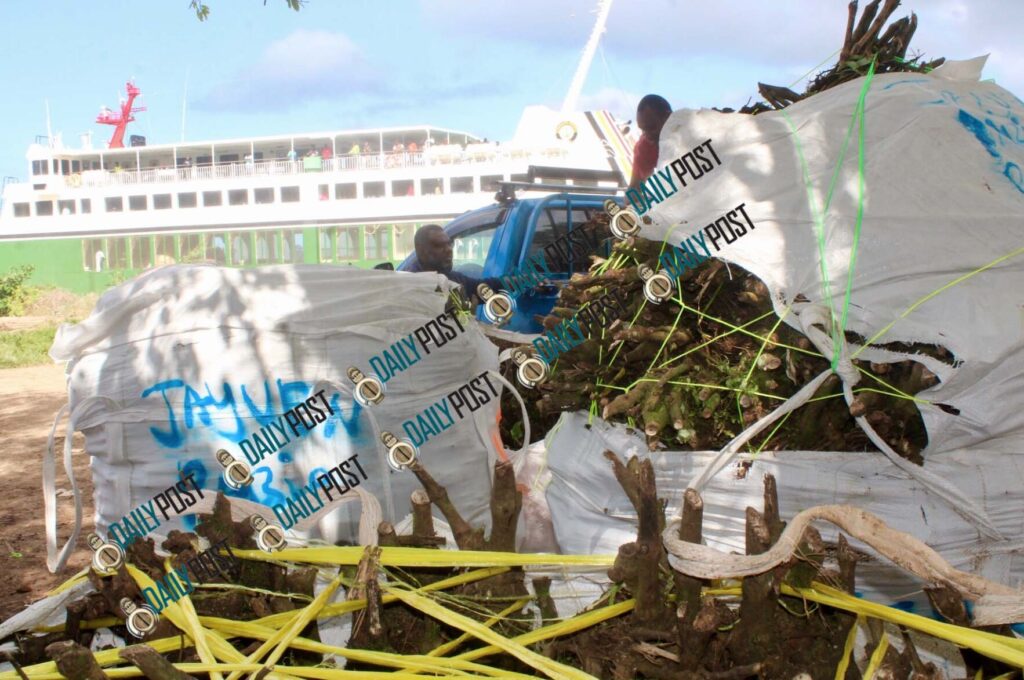
Kava bars in Luganville are experiencing an ongoing shortage of fresh kava to meet the demand of drinkers in the country’s second-largest town, despite being located in a region known for producing some of Vanuatu’s largest kava harvests. These producers are currently the main suppliers to the domestic kava bar market in Port Vila.
Since June, the supply of fresh kava in Luganville has declined irregularly, with prices spiking from VT500 per kilogram to VT800 in early June. VT500/kg had been the stable price since 2019, when farms began recovering from the impact of Tropical Cyclone Harold.
Some well-known kava bars in Luganville have had to switch off their coloured lights and close on certain nights as the shortage worsens.
In January 2025, the price was VT500/kg, rose to VT800 in June, and is now at VT1,000/kg.
Britin Sur, owner of the popular Harbour-Master Kava Bar in Luganville, believes the price hike is linked to low production levels.
“I have been operating this kava bar for more than 10 years, but I’ve never seen scarcity to this extent, especially in Santo,” he said.
“As a kava bar owner, I only source from Santo because the juice yield per kilo is higher than from Pentecost or Ambae. I believe Port Vila kava bars also prefer Santo kava for the same reason.
“There should be a price control to keep Santo prices attractive so farmers don’t feel compelled to send all their kava to Vila, where they believe they’ll earn more.”
The closure of kava bars is affecting more than just drinkers. Mothers who depend on daily VT20 sales at nakamals have lost their regular source of income.
Industry stakeholders agree that the declining supply is due to reduced kava production, even as the drink becomes more commercialised through local bars.
There are several reasons behind the drop in production. At the 2024 Kava Festival in Luganville, then-Minister of Agriculture Matai Seremaiah said the labour mobility schemes were a contributing factor, as many locals had left to work in New Zealand and Australia.
Mr. John, a farmer from Jarailan Village—one of Santo’s largest domestic kava producers—believes the shortage is tied to the growing appeal of the Port Vila market.
He told the Vanuatu Daily Post that South Santo’s major kava producers—Narango, Belmol, Jarailan, Vunavos, and Sarete—harvested their large kava gardens last year to meet the Vila demand, with little replanting since.
Farmers are now loading uprooted kava into massive bags, locally called parachutes, and shipping them to Port Vila for up to VT200,000 per bag.
“Since 2024, we’ve been sending kava weekly through Vanuatu Ferry using these parachutes, but by 2025 we had harvested almost all the main patches,” said John.
He believes the government must play a stronger role in regulating prices and taking the lead in the kava industry.
With high demand, producers are under pressure to harvest kava before it’s mature. In some cases, one-year-old plants are being pulled instead of waiting three years, raising concerns about quality.
Kava exporters are also affected. Those dealing in sundry kava now struggle to secure enough lateral roots—the parts often left behind after shipping to Vila. These byproducts are valuable and exported to support the country’s economic revenue. Local kava bars currently offer better prices than the export market.
One Santo-based exporter is trialling a new strategy: purchasing the large parachute bags usually sent to Port Vila and drying the kava for international markets. This approach aims to shift supply back toward exports, which generate national revenue.
“We’re wasting too much kava by consuming it locally when global demand is high,” said farmer John. “This is a green gold rush, and we need to act. Vanuatu is known worldwide as the home of kava, and the government should re-enter the industry to help guide the market.”