Vanuatu included in ADB’s new five-year Pacific development strategy
Vanuatu is among 12 Pacific island countries covered by a new five-year Asian Development Bank (ADB) strategy aimed at strengthening economic resilience, expanding job opportunities and improving essential services and infrastructure across the region. The Pacific Approach, 2026–2030, will guide ADB’s development partnerships with Vanuatu, the Cook Islands, Kiribati, the Marshall Islands, the Federated States […]
Vanuatu is among 12 Pacific island countries covered by a new five-year Asian Development Bank (ADB) strategy aimed at strengthening economic resilience, expanding job opportunities and improving essential services and infrastructure across the region.
The Pacific Approach, 2026–2030, will guide ADB’s development partnerships with Vanuatu, the Cook Islands, Kiribati, the Marshall Islands, the Federated States of Micronesia, Naoero, Niue, Palau, Samoa, Solomon Islands, Tonga and Tuvalu.
The strategy recognises the challenges facing Pacific island economies, including high exposure to climate-related disasters, the cost of delivering services across dispersed islands and limited institutional capacity.
It introduces a more flexible approach to designing and implementing development projects, with regional solutions encouraged where countries can benefit from working together.
“Pacific countries face development challenges that cannot be addressed through a one-size-fits-all approach,” ADB Director General for the Pacific Emma Veve said.
“ADB will continue to adapt business practices and delivery arrangements to the operating context of smaller, dispersed Pacific economies and concentrate resources where we can provide sustained value.”
The strategy sets out three priorities: expanding economic opportunities, supporting thriving communities and delivering sustainable infrastructure.
Economic development efforts will focus on improving public resource management, strengthening regional and global market links, expanding trade and investment, and creating conditions for private sector growth and job creation.
Support for communities will include improving access to health care, education and other essential services, strengthening social protection and skills development, and helping vulnerable households recover from economic and climate-related shocks.
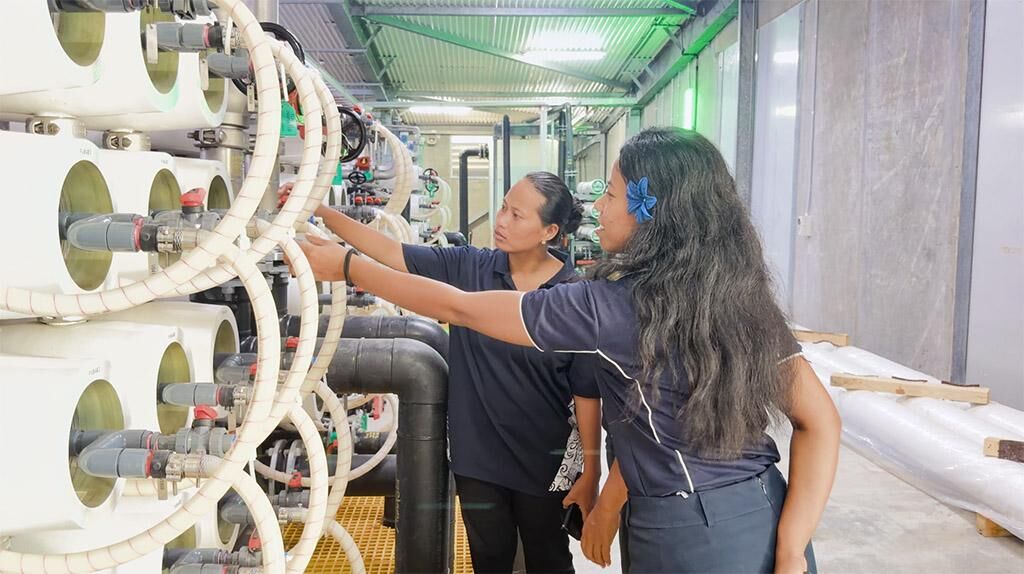
Infrastructure investment will support clean energy, transport links and resilient urban and municipal services, including water supply, solid waste management and urban roads.
Projects will be guided by ADB’s Pacific Quality Infrastructure Principles, which emphasise climate resilience, value for money, local participation, sound governance and appropriate private sector investment.
ADB will also focus on improving project preparation and implementation, strengthening institutional capacity and workforce skills, and ensuring infrastructure has adequate arrangements for ongoing operation and maintenance.
The strategy comes as ADB’s active portfolio across the 12 Pacific island countries grew to US$1.9 billion across 80 projects at the end of 2025, compared with US$454 million across 35 projects at the end of 2015.
Through partnerships with Pacific governments and development partners, ADB aims to mobilise the expertise and resources needed to support development priorities identified by Pacific countries.
ADB is a multilateral development bank established in 1966 to support sustainable, inclusive and resilient growth across Asia and the Pacific. It is owned by 69 members, including 50 from the region.